Transform Interior Lighting with Modern Architectural Aluminum Channel Solutions Today
Great lighting can completely transform a space, turning an ordinary room into a stylish and functional environment. Modern lighting systems are no longer limited to brightness alone. They also contribute to interior design, improve comfort, and create attractive visual effects in residential, commercial, and hospitality settings. As technology continues to evolve, LED lighting solutions have become a preferred choice because they combine energy efficiency with flexible design possibilities.
The growing demand for elegant lighting has increased the popularity of aluminum channel systems that protect LED strips while delivering a clean and professional finish. This article explains the importance of selecting suitable aluminum channels, explores their practical applications, and highlights how thoughtful installation can improve both lighting performance and interior aesthetics.
Understanding the Importance of Aluminum Channel Systems
An architectural aluminum channel is designed to hold and protect LED strip lights while enhancing their appearance. It creates a neat installation, improves heat dissipation, and helps extend the lifespan of LED strips. These channels are available in different profiles, allowing designers and installers to match lighting solutions with various architectural styles.
An aluminum channel also helps reduce glare by supporting diffuser covers that spread light evenly across a surface. This creates a softer illumination that is comfortable for homes, offices, hotels, retail stores, and public buildings. The professional appearance of concealed lighting makes these channels a popular choice for both new construction and renovation projects.
Different installation methods allow channels to be recessed, surface mounted, suspended, or installed in corners. This flexibility makes them suitable for ceilings, walls, cabinets, display shelves, staircases, furniture, and decorative features. The second use of architectural aluminum channel highlights its ability to combine practical protection with attractive design.
Benefits of Modern LED Channel Solutions
Modern LED lighting systems offer far more than energy savings. Proper channel installation protects LED strips from dust, moisture, and accidental damage while improving overall durability. Heat generated by LEDs can also be managed more effectively through aluminum construction, helping maintain consistent lighting performance over time.
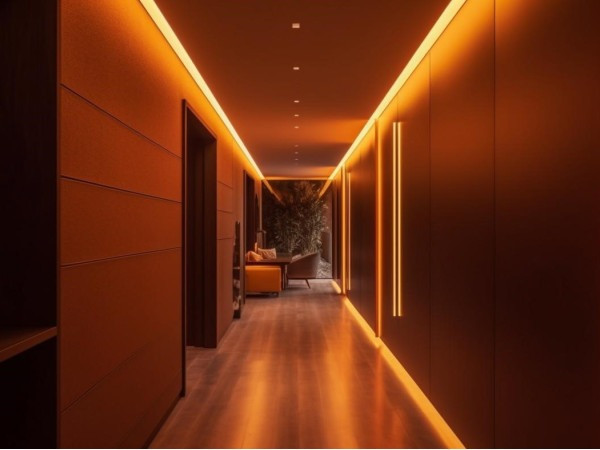
Professional lighting design focuses on both functionality and appearance. A concealed lighting system produces a smooth and continuous line of illumination instead of exposing individual LED points. This creates a cleaner visual effect that complements contemporary interiors.
Lighting designers also appreciate the versatility of aluminum channels because they can be integrated into furniture, architectural details, retail displays, office workspaces, and hospitality environments. Their simple yet elegant appearance supports many different interior styles without dominating the overall design.
Applications Across Residential and Commercial Spaces
Architectural lighting has become an important element in modern construction projects. Residential spaces use LED channels to create comfortable ambient lighting in kitchens, bedrooms, living rooms, bathrooms, and hallways. Cabinet lighting, wardrobe illumination, and staircase accents are common examples that improve both beauty and functionality.
Commercial buildings benefit from carefully planned lighting layouts that improve productivity and customer experience. Offices often install recessed channels to create comfortable working environments, while retail stores use accent lighting to highlight products and attract customer attention.
Hotels, restaurants, museums, and exhibition spaces also depend on well-designed lighting systems to create welcoming atmospheres. Even educational institutions and healthcare facilities increasingly use LED channel solutions because of their clean appearance and efficient performance.
Proper planning before installation helps ensure that lighting positions, channel sizes, and diffuser selections match the overall design objectives while maintaining easy maintenance and long-term reliability.
Flexible Lighting for Creative Design Projects
Creative lighting designs often require products that can adapt to curved surfaces, rounded furniture, decorative ceilings, and artistic installations. In these situations, Bendable Low profile LED aluminum channels provide additional flexibility for achieving unique lighting layouts without sacrificing a clean finish.
Flexible channel systems support designers who want continuous lighting effects around curves or irregular architectural shapes. These solutions make it possible to maintain consistent illumination while following the natural flow of the design.
The growing popularity of custom interiors has increased demand for products that combine adaptability with durability. Whether installed in hotels, luxury homes, retail displays, restaurants, or exhibition spaces, flexible channel systems allow designers to create visually attractive lighting without complicated installation methods.
The second appearance of Bendable Low profile LED aluminum channels demonstrates how specialized channel designs support creative architectural concepts while maintaining professional lighting quality.
Factors to Consider Before Choosing LED Channels
Selecting the right channel depends on several important considerations. The installation location determines whether a recessed, surface-mounted, suspended, or corner profile will provide the best result. Designers should also consider diffuser type, channel depth, mounting accessories, and compatibility with the selected LED strip.
Heat management remains another important factor. Quality aluminum channels help transfer heat away from LED strips, supporting longer operational life and more stable performance. Appropriate channel sizing also contributes to easier installation and better light distribution.
Maintenance requirements should be evaluated during planning. Properly installed systems allow convenient access whenever cleaning or replacement becomes necessary. Careful planning during the design stage can reduce future maintenance challenges while preserving the visual quality of the lighting installation.
Future Trends in Architectural LED Lighting
The future of architectural lighting continues to focus on greater efficiency, improved aesthetics, and smarter control systems. Modern buildings increasingly combine LED channels with dimming controls, smart automation, and color-adjustable lighting to create flexible environments for different activities.
Sustainability also plays an important role in current construction practices. Durable aluminum components and energy-efficient LED technology support environmentally responsible building designs by reducing maintenance needs and lowering energy consumption.
As design preferences continue to evolve, lighting systems are becoming more integrated into architectural features rather than remaining visible fixtures. Hidden lighting enhances walls, ceilings, shelving, and furniture while preserving clean interior lines and contemporary styling.
Conclusion
Modern architectural lighting combines beauty, efficiency, durability, and flexibility to meet the needs of contemporary residential and commercial spaces. Aluminum channel systems protect LED strips, improve heat management, create smoother illumination, and contribute to a professional interior appearance. Careful product selection, thoughtful installation, and proper planning ensure long-lasting lighting performance while supporting creative design goals.
For additional information about advanced LED lighting solutions, richeelighting.com offers valuable resources that may assist with exploring suitable products and applications. Selecting quality lighting components ultimately helps create attractive, reliable, and energy-efficient spaces that continue to perform well for many years.