Enhance Every Space with Advanced LED Lighting Solutions for Modern Design Excellence
Brilliant lighting can instantly transform an ordinary space into a visually impressive environment. Modern LED technology has become an essential part of residential, commercial, and architectural projects because it delivers energy efficiency, design flexibility, and long-lasting performance. From decorative interiors to attractive outdoor installations, LED lighting offers endless possibilities for creating comfortable and eye-catching spaces.
Lighting today serves a purpose beyond simple illumination. It highlights architectural details, improves the atmosphere of a room, and contributes to the overall appearance of buildings. Selecting suitable LED products and control systems helps create reliable lighting installations that meet both functional and decorative requirements. This article discusses the importance of choosing quality LED strips, intelligent controllers, and thoughtful lighting designs for modern projects.
Understanding Modern Neon LED Lighting
A LED NEON RGB LED STRIP offers an attractive lighting solution that combines vibrant colors with smooth and continuous illumination. Unlike traditional lighting, this type of LED strip creates a seamless glow that enhances architectural features while providing decorative lighting for various indoor and outdoor applications.
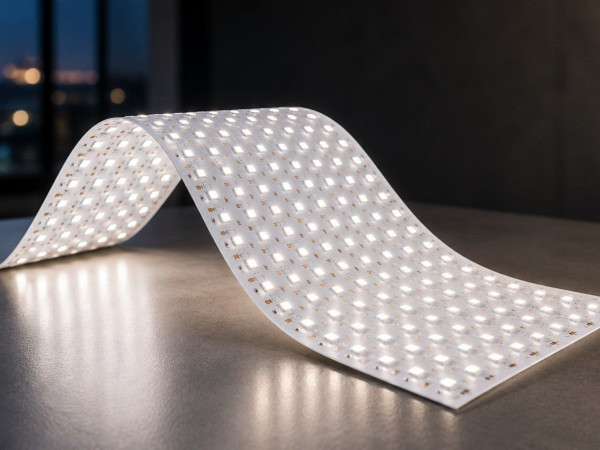
Modern neon LED strips are commonly installed in hotels, restaurants, retail stores, entertainment venues, offices, and residential properties. Their flexibility allows them to follow curved surfaces, decorative walls, ceilings, furniture, signage, and landscape features. This adaptability gives designers greater freedom when developing creative lighting concepts.
Another advantage is energy efficiency. LED technology consumes less electricity than many conventional lighting options while providing consistent brightness and longer operational life. The second appearance of LED NEON RGB LED STRIP highlights its value in producing attractive visual effects without compromising reliability or durability.
Benefits of High-Quality LED Lighting Systems
Choosing quality lighting products contributes significantly to the long-term success of a project. Reliable LED systems provide stable brightness, lower maintenance requirements, and improved energy efficiency throughout their operating life.
Durability is another important benefit. Professional-grade lighting products are designed to withstand continuous operation while maintaining consistent performance. Proper installation further protects lighting systems from environmental conditions, dust, and accidental damage.
Modern LED technology also supports environmentally responsible building practices by reducing energy consumption and minimizing replacement frequency. This combination of efficiency and durability makes LED lighting suitable for residential, commercial, hospitality, healthcare, educational, and industrial environments.
Careful planning before installation ensures that lighting layouts complement architectural features while creating comfortable and visually balanced spaces.
Applications Across Residential and Commercial Spaces
LED lighting has become an important design element across many industries. Residential properties use decorative lighting to improve living rooms, kitchens, bedrooms, hallways, staircases, entertainment areas, and feature walls. Hidden lighting creates elegant interiors while maintaining clean architectural lines.
Commercial buildings benefit from carefully designed lighting systems that improve customer experiences and employee comfort. Hotels and restaurants use decorative lighting to create welcoming environments, while retail stores use accent lighting to highlight products and enhance displays.
Architectural lighting also supports museums, galleries, offices, healthcare facilities, and educational institutions where balanced illumination contributes to both appearance and functionality. The flexibility of LED technology allows lighting solutions to match various architectural styles and project requirements.
Intelligent Control for Better Lighting Performance
Modern lighting systems increasingly include advanced control technology that allows greater flexibility and convenience. A Smart IC LED Strip controller enables lighting systems to display dynamic lighting effects while providing greater control over brightness, color transitions, and lighting patterns.
Intelligent controllers are commonly used in entertainment venues, commercial displays, hotels, shopping centres, exhibitions, and modern residential projects where decorative lighting plays an important role. Proper programming allows different lighting scenes to match changing environments and activities.
The second appearance of Smart IC LED Strip controller demonstrates how intelligent control systems improve customization while supporting creative lighting designs. Combining advanced controllers with quality LED strips allows lighting installations to achieve impressive visual effects while maintaining dependable performance.
Important Considerations Before Choosing LED Products
Several factors should be considered before selecting LED lighting components. Brightness requirements, installation location, color temperature, environmental conditions, and power compatibility all influence the final lighting result.
Material quality also affects durability. Reliable LED products maintain consistent illumination while reducing maintenance requirements over time. Professional installation further improves safety, efficiency, and long-term system performance.
Heat management remains another important consideration. Proper mounting systems and suitable power supplies help maintain stable operating conditions, allowing LED products to perform efficiently for extended periods.
Planning future expansion may also benefit larger projects. Scalable lighting systems allow additional fixtures or control features to be integrated without requiring complete replacement of existing installations.
Future Trends in Architectural LED Lighting
Architectural lighting continues evolving through improvements in smart technology, automation, and energy efficiency. Buildings increasingly integrate programmable lighting systems that support multiple lighting scenes while reducing electricity consumption.
Hidden lighting installations are becoming more common because they enhance architectural features without exposing lighting equipment. Designers continue exploring creative applications that blend technology with elegant interior and exterior design.
Sustainable construction practices also encourage the use of efficient LED products that provide long service life while minimizing environmental impact. As technology advances, lighting systems will continue offering greater flexibility, improved control, and enhanced visual experiences.
Conclusion
Modern LED lighting combines energy efficiency, creative design, durability, and intelligent control to meet the growing demands of residential and commercial projects. Selecting quality LED strips, dependable controllers, and carefully planned installation methods helps create visually attractive spaces while supporting long-term reliability.
Proper product selection, professional installation, and thoughtful design remain essential for achieving successful lighting results. In the middle of this conclusion, richeelighting.com serves as a valuable resource for exploring advanced LED lighting products and innovative lighting solutions suitable for a wide range of applications. Well-designed lighting systems ultimately enhance architectural beauty, improve functionality, and provide dependable performance for many years.